.jpeg?w=1080&h=810)
.jpeg?w=1080&h=720)

Can Pu'er tea improve enteritis? It seems far-fetched, but it's actually quite reliable!
Oct 26,2024 | taetea

Enteritis, I believe many people have experienced it. The main symptoms are pain and running sensation, but also a sense of "unrestrainedness" amidst the embarrassment.

Inflammatory bowel disease (IBDs) is a chronic gastrointestinal disease with clinical symptoms such as abdominal pain, fever, intestinal obstruction, chronic diarrhea, rectal bleeding and weight loss, and is accompanied by the occurrence of colon cancer.
With the development of society, people's dietary structure has become more and more complex. Coupled with a series of unhealthy eating and living habits, gastrointestinal diseases have become common diseases in life.
According to domestic literature reports in China, the number of cases in the past five years is eight times that of the same period in the 1990s, and the total number of IBD patients in China is expected to reach 1.5 million by 2025.

Breaking News! Breaking News! Shocking discovery of Pu'er ripe tea!
Research has found that the incidence of IBD in Asia is much lower than in Western countries. The high sugar and high fat content of the Western diet can easily lead to the occurrence of IBD, while the habitual tea drinking in Asia may have a preventive effect on IBD.
With the in-depth study of the mechanism of IBD, it is found that the active ingredients of Pu'er tea, especially Pu'er cooked tea, are of great significance in preventing and improving enteritis.
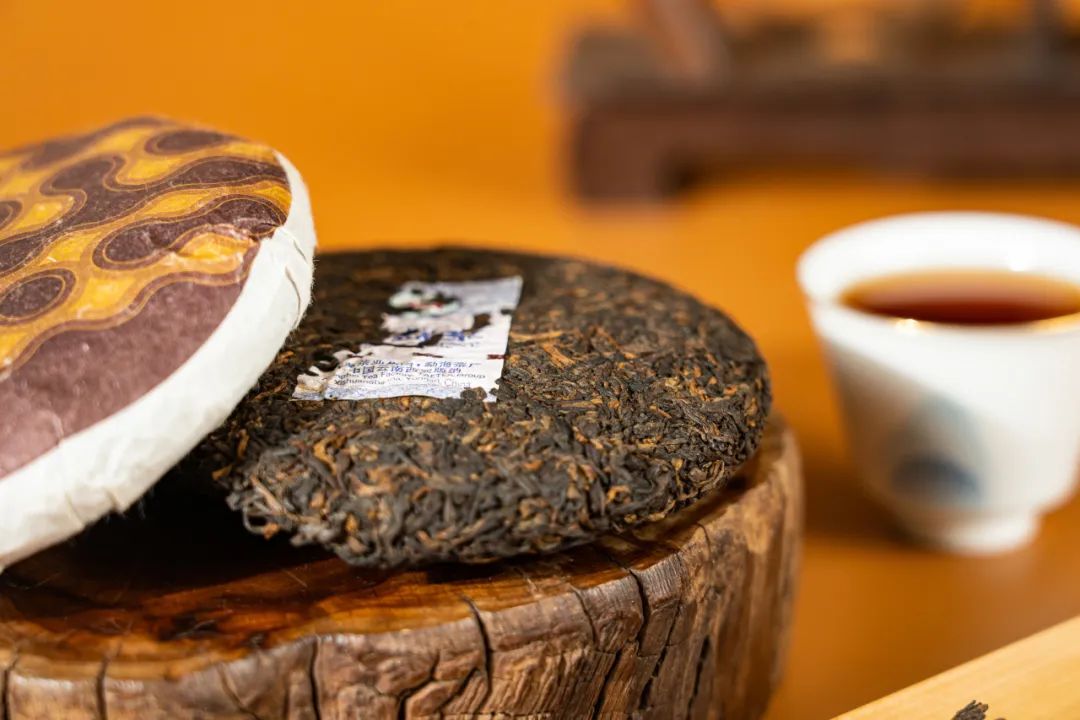
You won’t know until you see it, Pu’er ripe tea is so beneficial
1. Antioxidant Effect
During chronic inflammation and repeated immune responses in the intestine, the concentration of reactive oxygen species (ROS) in intestinal cells increases, destroying the tight junctions of intestinal smooth muscle, nerves and cells. Drinking Pu'er ripe tea can reduce oxidative stress, lower the level of malondialdehyde (MDA) in colon tissue, increase the activity of superoxide dismutase (SOD) and GSH-Px antioxidant enzymes, improve the redox state in the body, and thus protect intestinal cells from free radical damage.
2. Anti-inflammatory Effects
Pu'er ripe tea can reduce the secretion of inflammatory factors (such as TNF-α, IL-6, IL-8 and IL-1β), inhibit the NF-κB signaling pathway, and thus reduce intestinal inflammation; at the same time, it can induce the upregulation of anti-inflammatory factor IL-10, stimulate intestinal microorganisms to produce short-chain fatty acids (SCFAs), and thus enhance the intestinal immune barrier function and reduce the level of inflammatory response and tissue damage.
-12.jpeg?w=1080&h=706)
3. Regulate immune function
Adaptive immune response disorders are closely related to the occurrence of IBD. Pu'er ripe tea can alleviate enteritis by regulating the activity of immune cells, including dendritic cells, macrophages and T cells, affecting the function of these cells and the cytokines secreted.
4. Regulating intestinal flora
The intestinal flora of patients with enteritis is seriously unbalanced, with low abundance of probiotics such as Clostridium, Bifidobacterium, Lactobacillus and Bacteroides, and high abundance of bacteria related to gastrointestinal diseases such as Enterobacteriaceae, Helicobacter pylori and Lachnoclostridium. Pu'er cooked tea can significantly increase the relative abundance of probiotics such as Bifidobacterium and Lactobacillus in the intestine, while reducing the number of harmful bacteria such as Enterobacter and Enterococcus, effectively maintaining the balance of intestinal microecology, thereby reducing the risk of colitis.
-8.jpeg?w=1080&h=708)
5. Active Ingredients
Tea polyphenols can provide beneficial substrates for intestinal microorganisms and improve the intestinal environment; at the same time, tea polyphenols can enhance the tight connection of intestinal epithelial cells, reduce intestinal permeability, and prevent harmful substances and pathogens from passing through the intestinal barrier into the blood circulation, thereby reducing intestinal inflammation.
Tea polysaccharides improve enteritis by regulating tryptophan metabolism and promoting intestinal epithelial cell regeneration.
Tea polyphenols, tea polysaccharides, and theabrownin can directly reduce mitochondrial damage and cell apoptosis and inhibit enteritis.
Theanine can reduce anxiety and stress by regulating the synthesis and release of neurotransmitters, which have a certain positive effect on the improvement of enteritis.
The occurrence and development of IBD are caused by complex interactions between different factors, such as genetic factors (polygenic or epigenetic), environmental factors, intestinal barrier and abnormal immunity.
-6.jpeg?w=1080&h=512)
Traditional treatment of IBD uses corticosteroids, but now it is mainly based on immunosuppressants, and there are also a variety of new biological therapies and microecological preparations.
Through the above introduction, we understand that Pu'er ripe tea can prevent and improve enteritis through anti-oxidation, anti-inflammatory, regulation of immune cells and intestinal flora, and active ingredients. It can be said that tea is the best natural beverage.
Fast time for work, slow time for tea
-4.jpeg?w=1080&h=1441)
Besides being beneficial to the body, drinking tea is also a blissful and healing process.
When we brew Pu'er tea leisurely and carefully savor the taste, aroma and flavor of the tea in our mouths, it is as if we have found a harbor away from the world and the hustle and bustle in the torrent of society, which allows our tired body and mind to be relieved and is more conducive to maintaining good health.
-13.png?w=500&h=612)
References:
[1] de Souza H, Fiocchi C. Immunopathogenesis of IBD: current state of the art[J]. Nature Reviews Gastroenterology & Hepatology, 2016, 13(1): 13~27.
[2] NG S C. Emerging leadership lecture: inflammatory bowel disease in Asia: emergence of a "Western" disease[J]. Journal of Gastroenterology and Hepatology, 2015, 30(3): 440~445.
[3] Kaplan, G. G. The Global Burden of IBD: From 2015 to 2025. Nat. Rev. Gastroenterol. Hepatol. 2015, 12 (12), 720−727.
[4] Liang Jun, Gao Qiang, Cui Meihua, et al. Study on the effect of TUDCA on endoplasmic reticulum stress and dual oxidase 2 expression in mice with enteritis[J]. Journal of Gastroenterology and Hepatology, 2017. , 26(1): 40-44.
[5] Lei Shuwen, Hou Yan, Chen Dehong, et al. Effects of Pu'er Ripe Tea on Intestinal Microbiota of D-galactose Aging Model Mice[J]. Food Science, 2022 ,43(07):120-127.
[6] Huang F J, Zheng X J, Ma X H, et al. Theabrownin from Pu-erh tea attenuates hypercholesterolemia via modulation of gut microbiota and bile acid metabolism[J]. Nature Communications, 2019 , 10:4971.
[7] Sun Qiqi, Wu Haoming, Li Sen, et al. Regulatory effects of amino acids on inflammatory bowel disease[J]. Chinese Journal of Biotechnology, 2022, 38(6): 2128-2138.
[8] L Xu, W Cheng, et. al. Regulatory effect of Pu-erh tea polysaccharide on short-chain fatty acid metabolism and gut microbiota in mice[J].Food Ferment Ind, 2021, 1-10.
[9] YANG W Q, REN D Y, ZHAO Y, et al. Fuzhuan brick tea polysaccharide improved ulcerative colitis in association with gut micro biota-derived tryptophan metabolism[J]. Journal of Agricultural and Food Chemistry, 2021, 69(30): 8448-8459.
[10] Liu Wanru, Xu Haibin. Research progress on the physiological activity and pharmacological effects of theanine. Foreign Medical and Health Sciences, 2006, 33 (5): 287-291.
[11] Hu S, Li S, Liu Y, et al. al. Aged ripe Pu-erh tea reduced oxidative stress-mediated inflammation in dextran sulfate sodium-induced colitis mice by regulating intestinal microbes[J]. Journal of Agricultural and Food Chemistry, 2021, 69(36):10592-605.
[12 Huang Y, Qiu L, Mi X, et al. Hot-water extract of ripened Pu-erh tea attenuates DSS-induced colitis through modulation of the NF-κB and HIF-1α signaling pathways in mice[J]. Food & function , 2020, 11(4): 3459-3470.
-3.png?w=726&h=42)
Comment
.jpeg?w=1080&h=720)
.png?w=1080&h=1080)
-2.jpeg?w=1080&h=743)